Loading…
Insights & Perspectives
Explore our thinking across healthcare, cybersecurity, defense, and applied AI. Filter by industry or search directly.
Showing 20 articles
Healthcare and Life Sciences
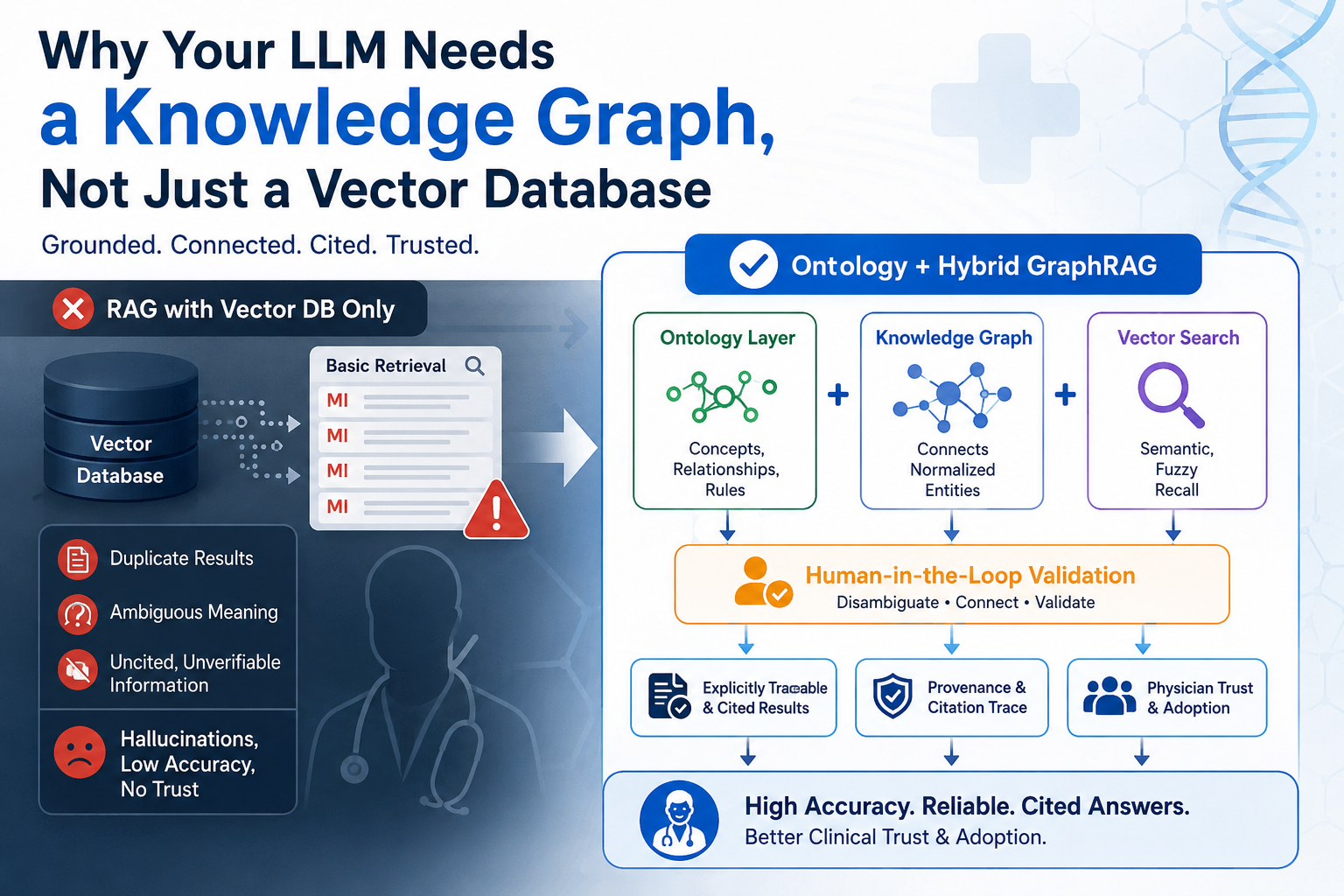
Why Your LLM Needs a Knowledge Graph, Not Just a Vector Database
An LLM is only as good as the context you feed it. In healthcare and biotech, this is the difference between a tool clinicians trust and one they quietly stop using. Learn why ontology-based GraphRAG outperforms basic retrieval.
August 12, 2026
Healthcare and Life Sciences
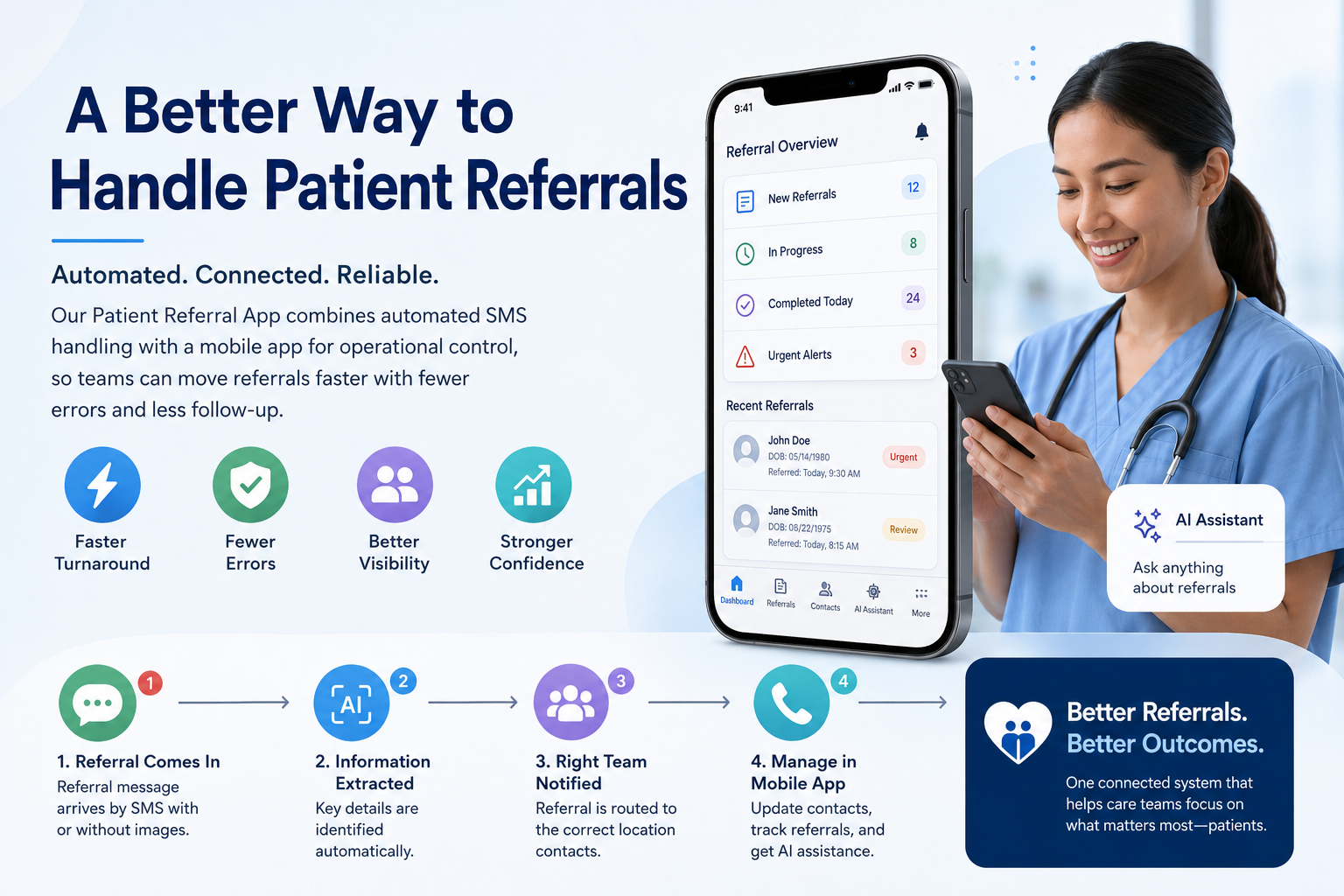
A Better Way to Handle Patient Referrals
In healthcare, every minute matters. But referral coordination is often slowed down by phone calls, manual notes, and outdated contact lists. Teams work hard, yet the process can still feel fragmented.
June 20, 2026
Cyber Security
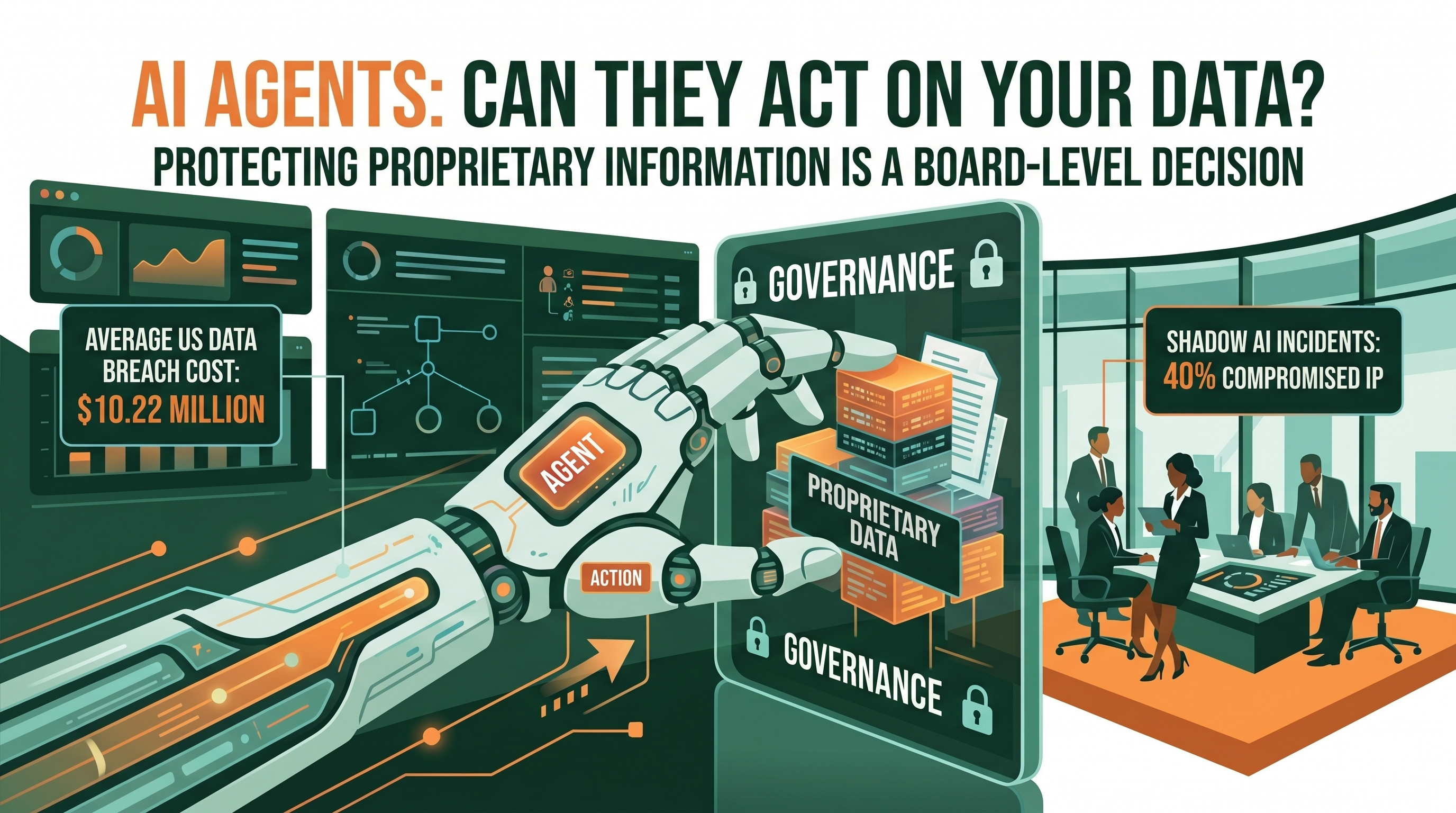
AI Agents Can Act on Your Data: Why Protecting Proprietary Information Is Now a Board-Level Decision
Artificial intelligence is moving beyond analysis into systems that can take autonomous actions. When agents are connected to enterprise applications, weak governance can become direct business exposure.
June 3, 2026
Cyber Security
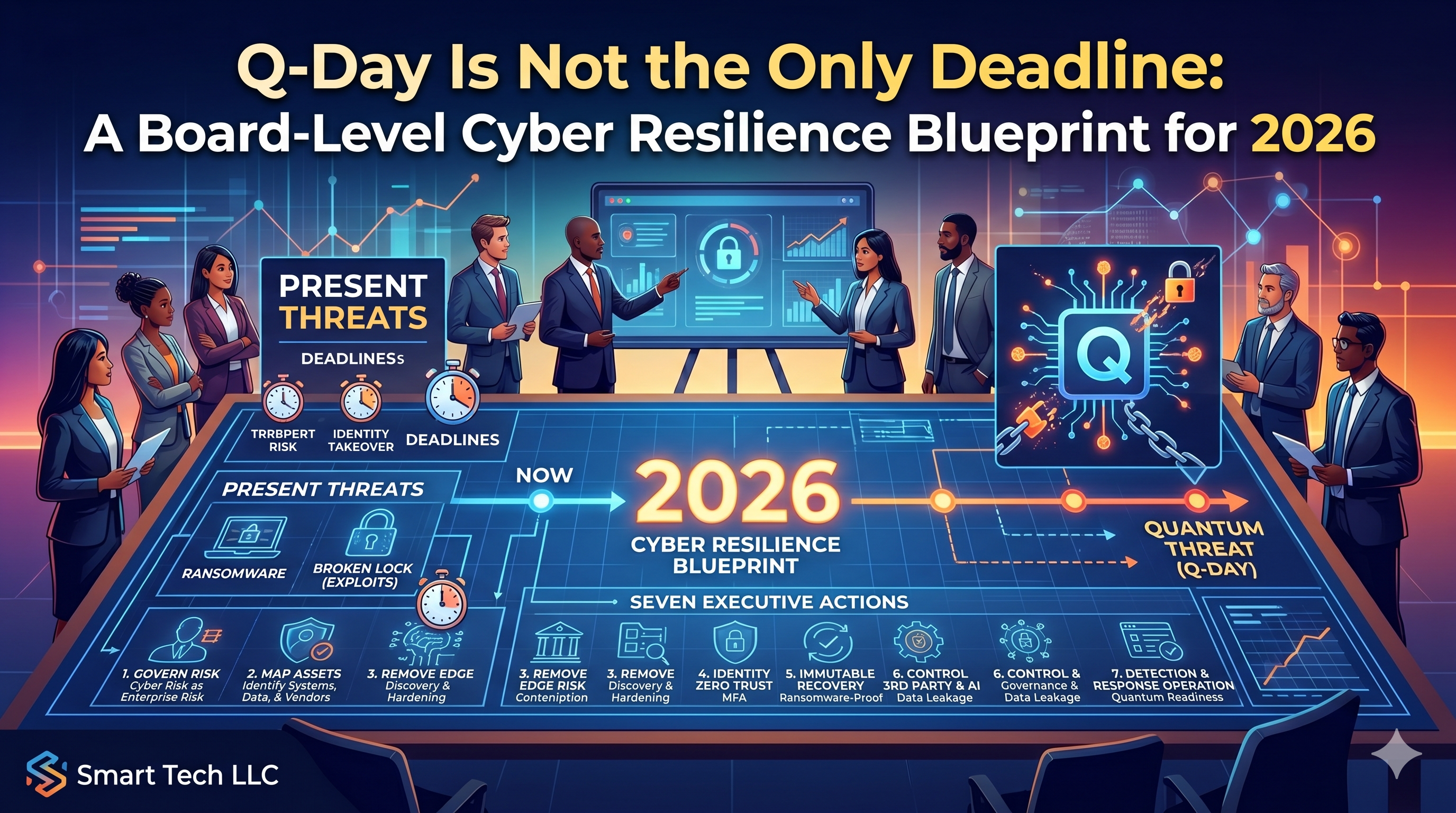
Q-Day Is Not the Only Deadline: A Board-Level Cyber Resilience Blueprint for 2026
Cybersecurity is now a balance-sheet and trust issue, not an information technology checklist. Executives must address two horizons simultaneously: attacks already disrupting organizations and the longer-life confidentiality risk from quantum computing.
June 3, 2026
Data Engineering & Analytics
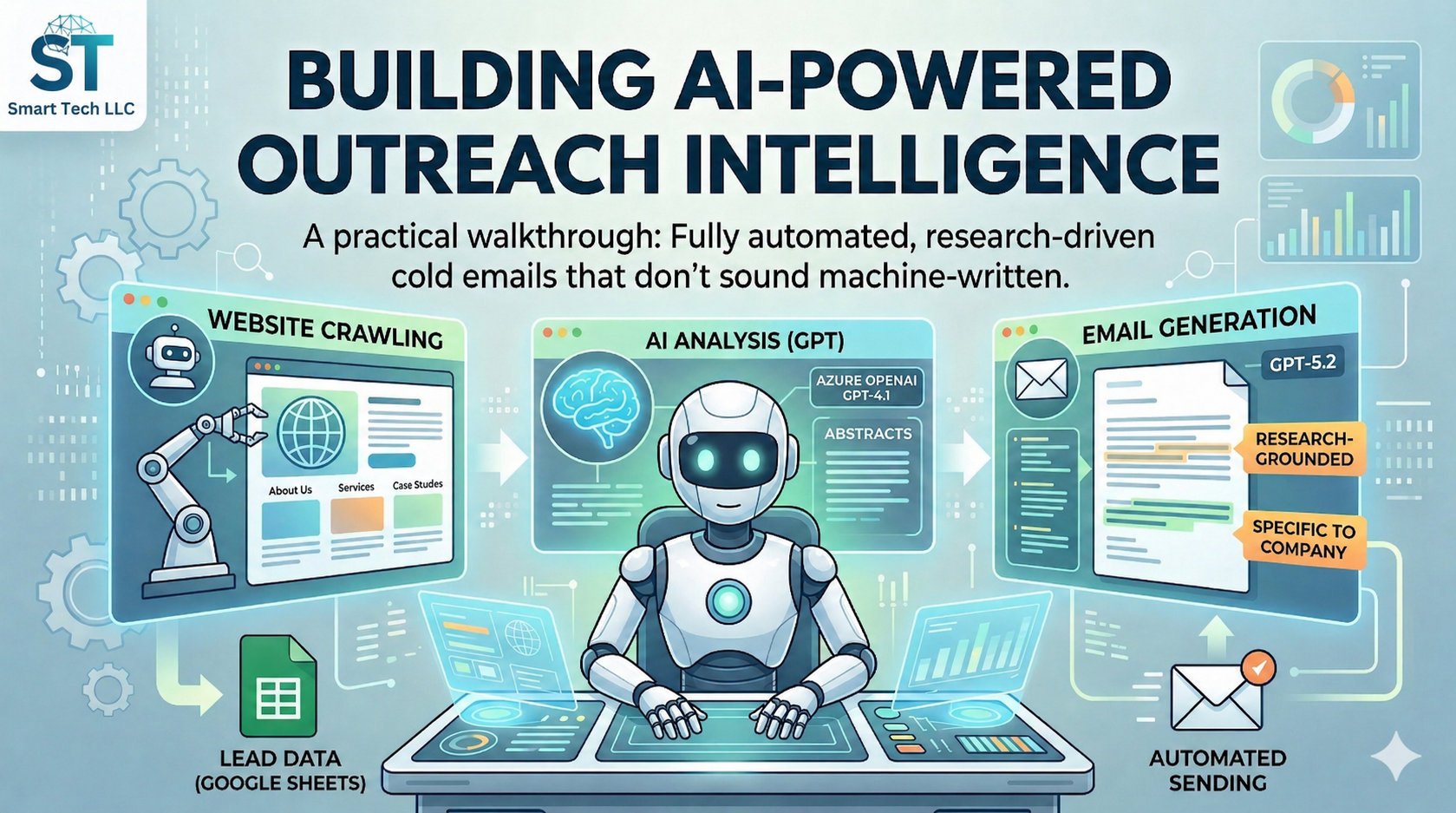
Building an AI-Powered Outreach Intelligence System on Azure OpenAI
A practical walkthrough of how we built a fully automated, research-driven cold email system that personalises outreach at scale without sounding like it was written by a machine.
April 10, 2026
Healthcare and Life Sciences
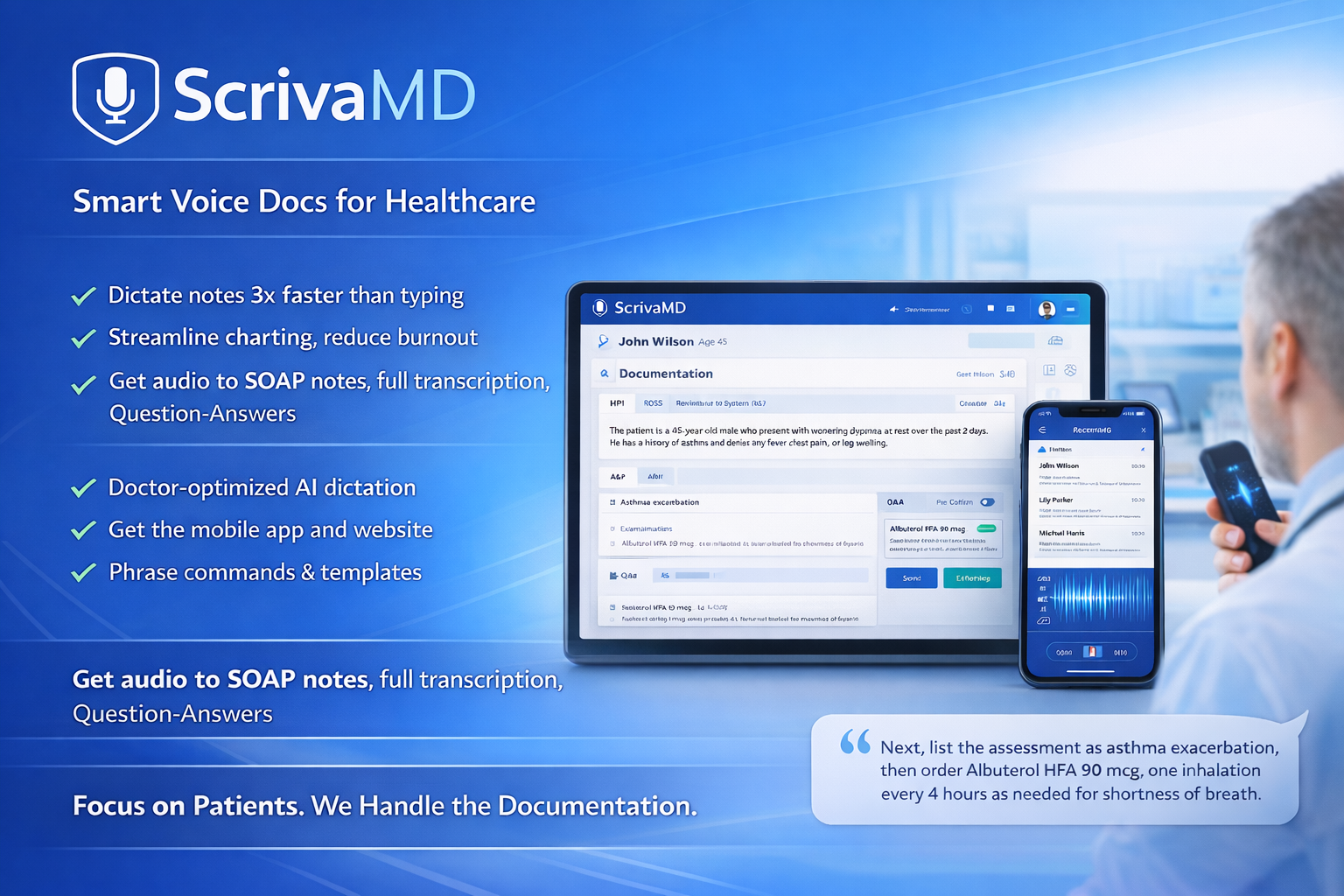
Why ScrivaMD Makes Clinical Documentation Easier for Modern Healthcare Teams
A practical look at how ScrivaMD turns patient audio into transcription, SOAP notes, and useful clinical answers while keeping documentation simple and organized.
April 9, 2026
Healthcare and Life Sciences
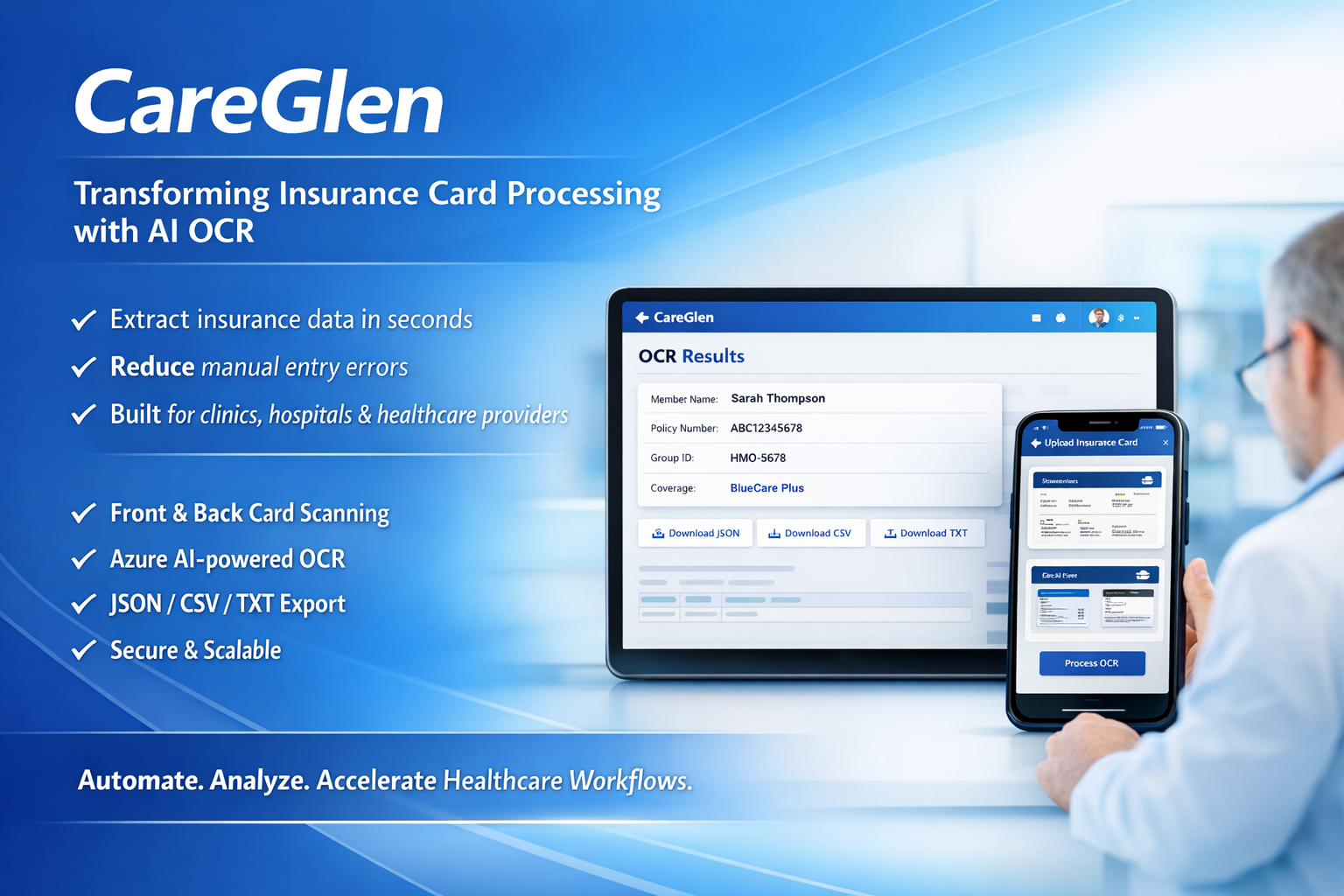
Why Insurance Card Scanning Matters More Than Most Clinics Realize
A practical look at why insurance card scanning saves time, reduces intake friction, supports cleaner patient records, and makes everyday clinic work easier.
April 8, 2026
Healthcare and Life Sciences
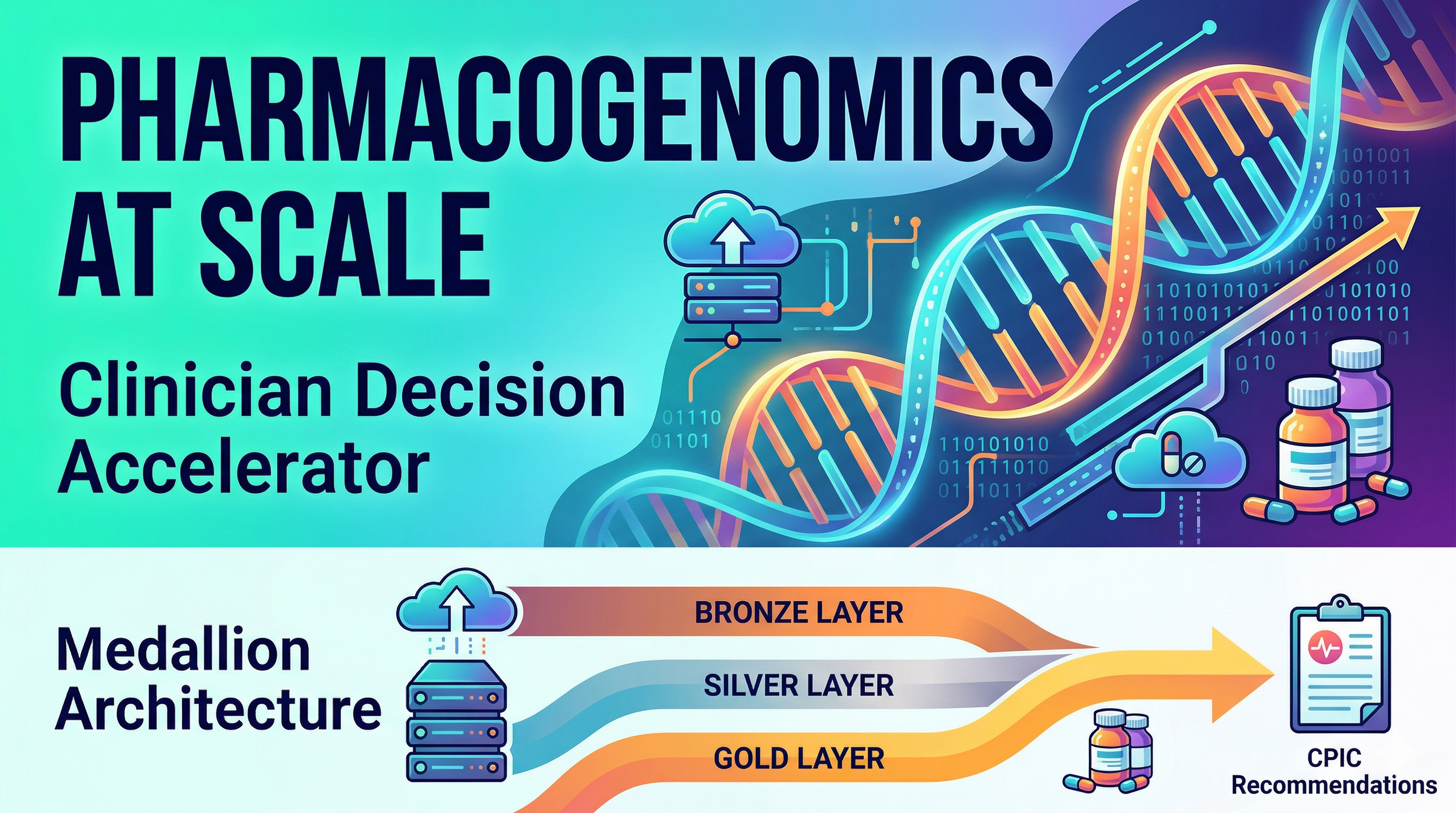
Pharmacogenomics at Scale: Building a Clinical Decision Accelerator on Databricks Lakehouse
Transform raw genotype data into actionable prescribing recommendations at population scale using Databricks Lakehouse, CPIC guidelines, and the Medallion architecture.
April 6, 2026
Data Engineering & Analytics
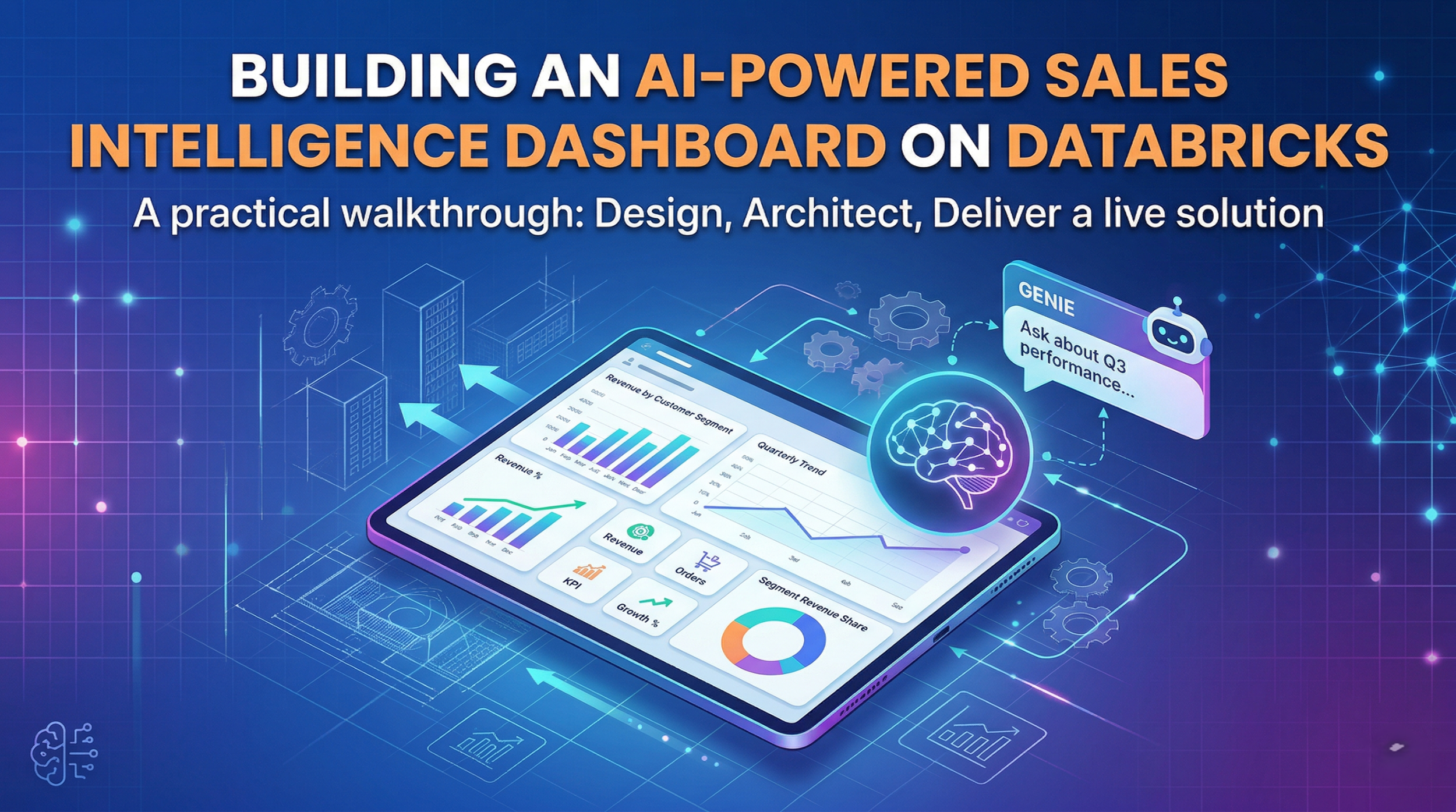
Building an AI-Powered Sales Intelligence Dashboard on Databricks
A practical walkthrough of how we designed, architected, and delivered a live sales analytics solution on Databricks using TPC-H data, Gold SQL views, AI/BI dashboard, and Genie.
March 31, 2026
Data Engineering & Analytics
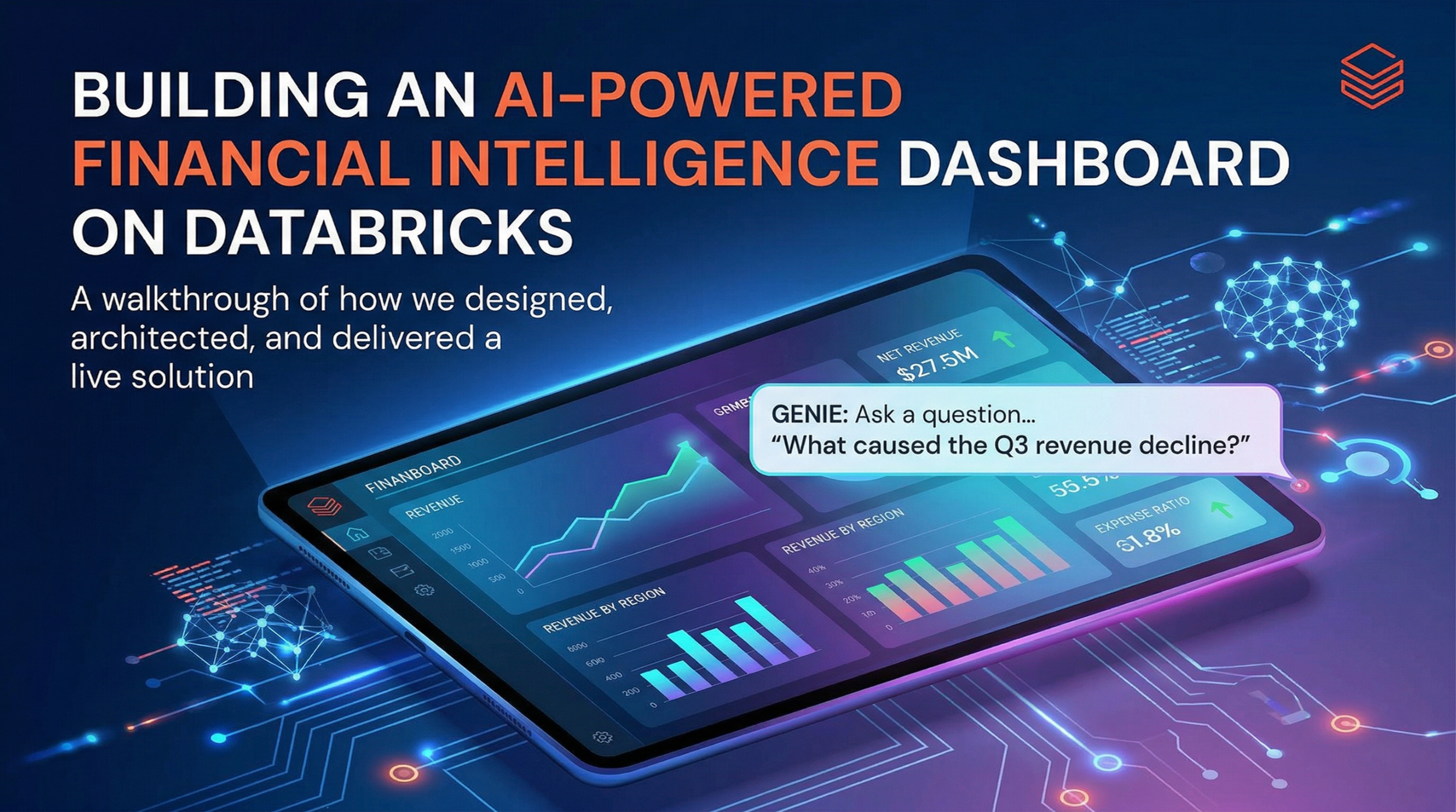
Building an AI-Powered Financial Intelligence Dashboard on Databricks
A practical walkthrough of how we designed, architected, and delivered a live financial analytics solution on Databricks using TPC-H data, Gold SQL views, AI/BI dashboard, and Genie.
March 31, 2026
Data Engineering & Analytics
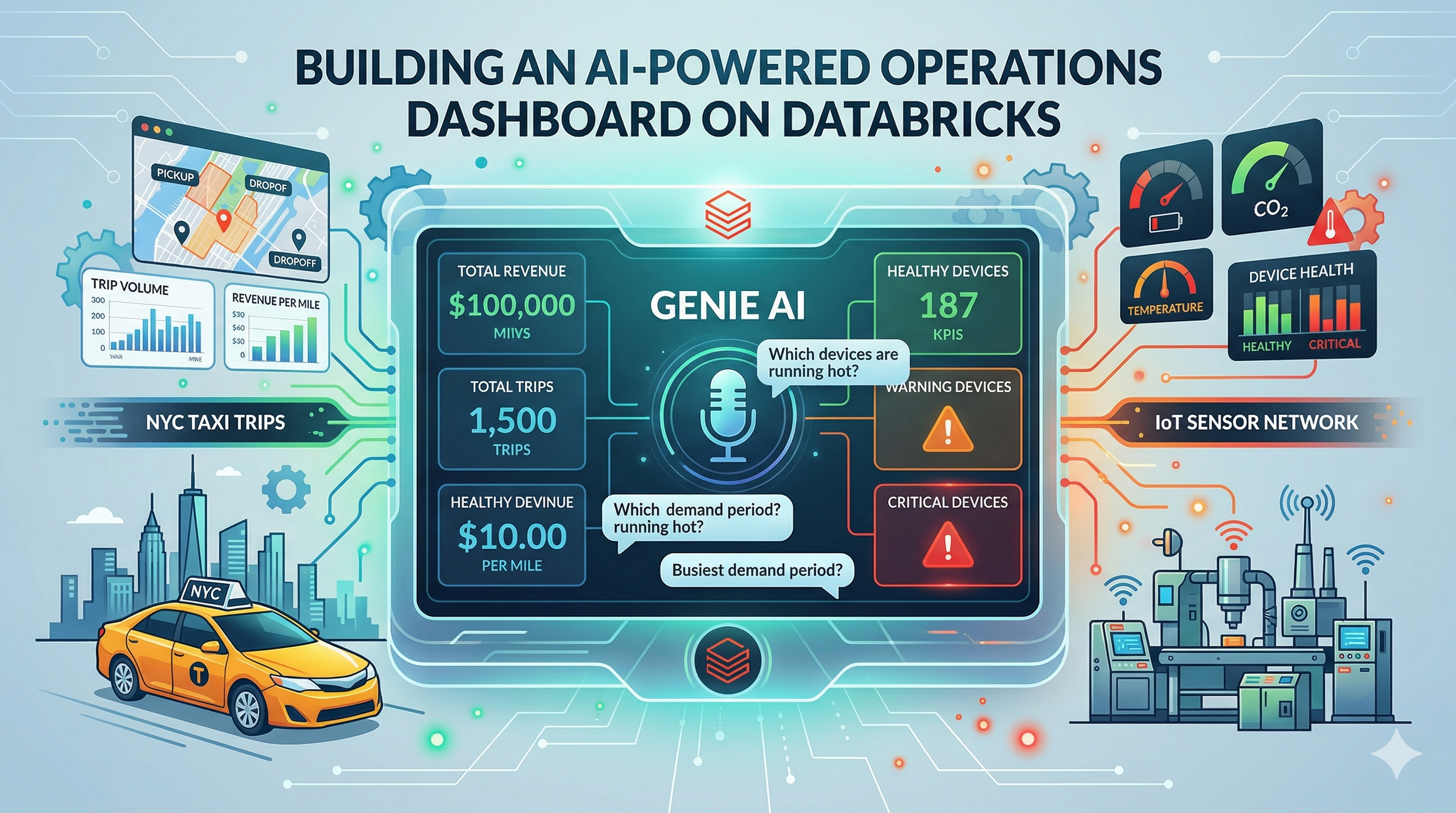
Building an AI-Powered Operations Intelligence Dashboard on Databricks
A practical walkthrough of how we unified two operational data domains — NYC Taxi trips and IoT sensor data — into a single live intelligence platform on Databricks with Gold SQL views and Genie.
March 25, 2026
Healthcare and Life Sciences
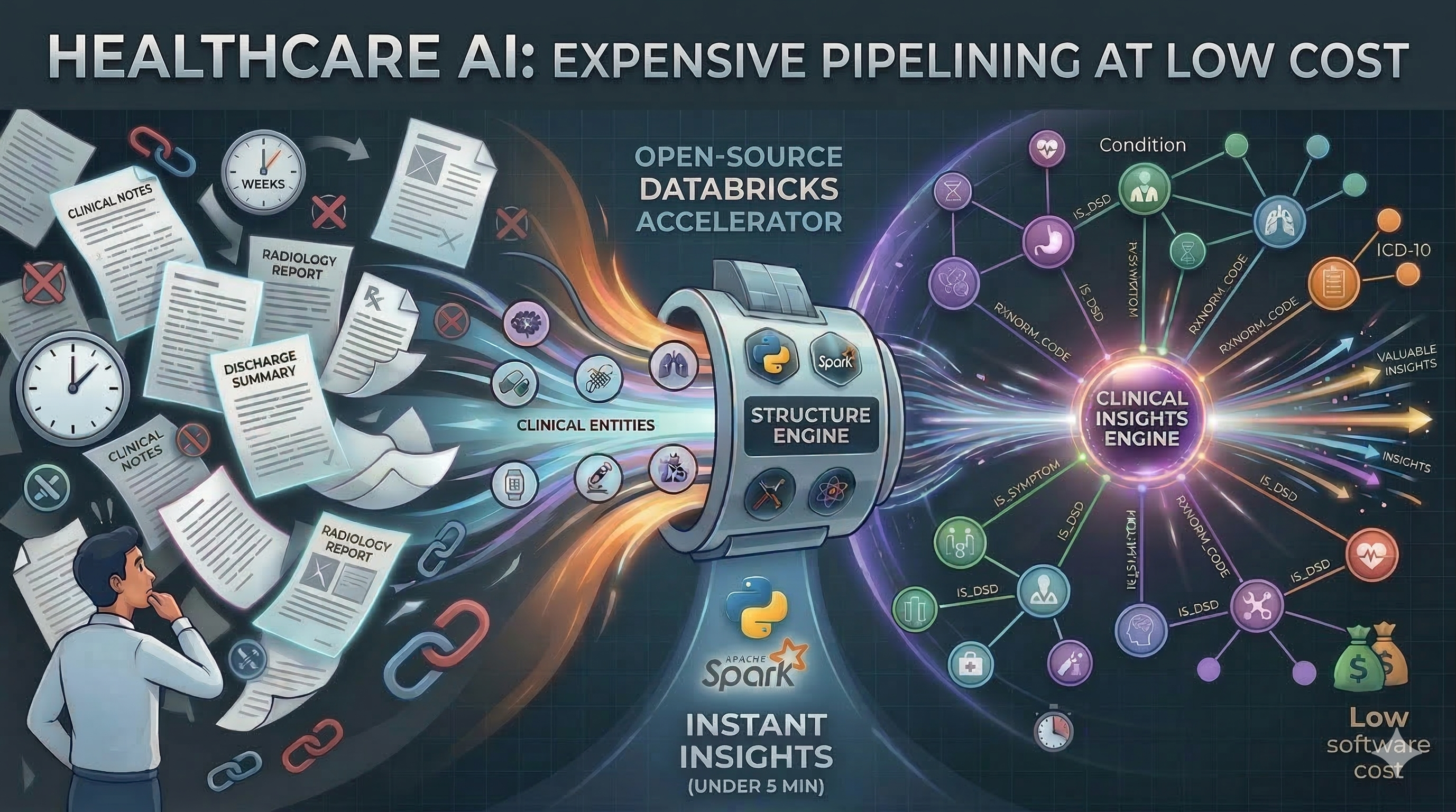
Expensive Healthcare AI Pipeline deployed at low cost using Databricks accelerator
5,000 clinical notes. 180,000 medical entities. 12 patient cohorts. Zero dollars spent on software.
March 12, 2026
Healthcare and Life Sciences
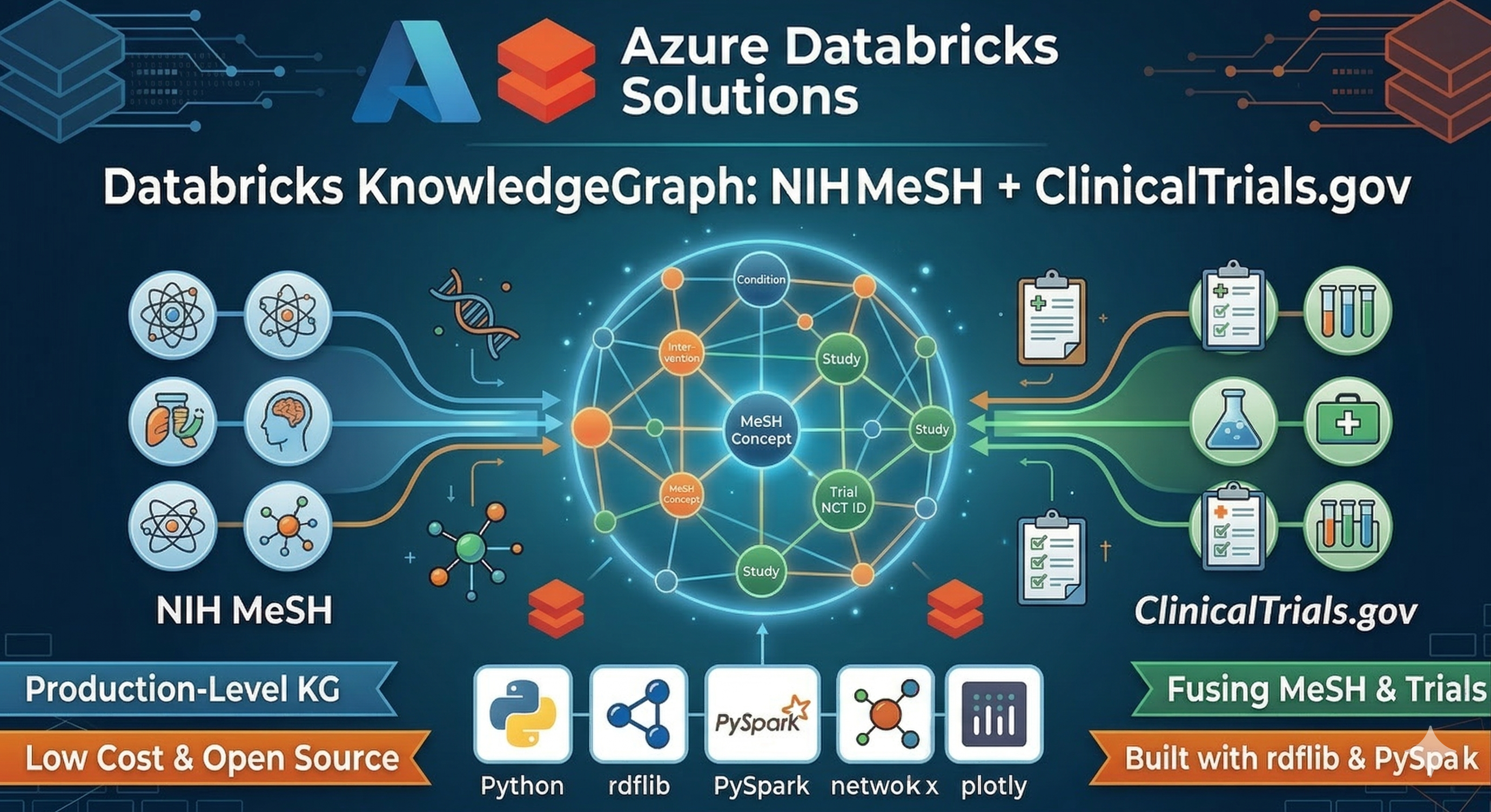
Building a High Value Knowledge Graph on Azure Databricks
Fusing NIH MeSH + ClinicalTrials.gov with rdflib and PySpark. A production-level knowledge graph connecting 6,000 MeSH biomedical concepts to 5,000 clinical trials without relying on any paid libraries.
March 12, 2026
Healthcare and Life Sciences
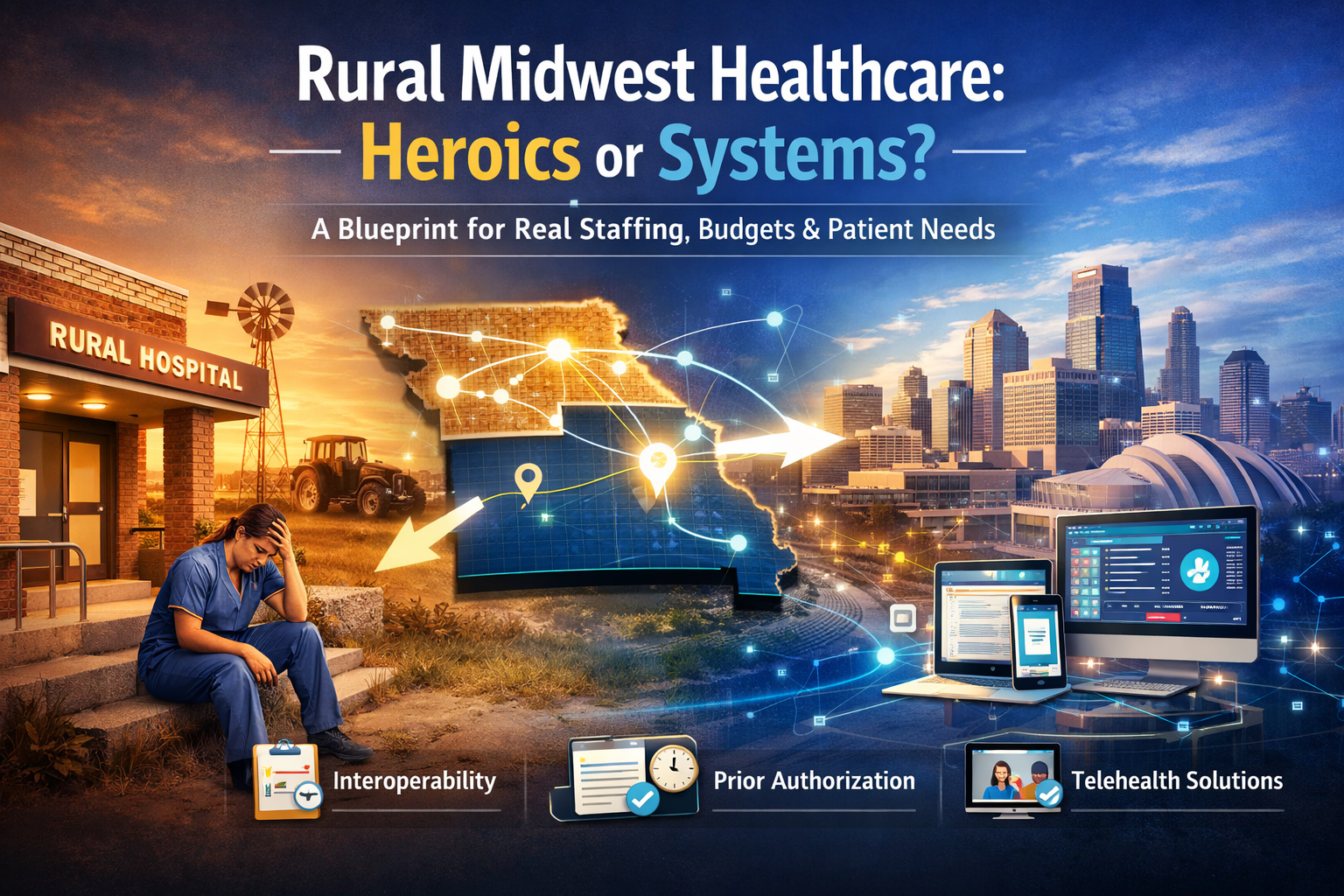
Rural Midwest Healthcare Runs on Heroics. Let's Replace That with Systems
A data + technology blueprint for the Midwest—especially Kansas City Metro rural networks—built for real staffing, real budgets, and real patient needs.
January 02, 2026

Healthcare and Life Sciences
The Unifying Principle: Making Fragmented Health Data AI-Ready
Interoperability is no longer a technical upgrade. It is the operating model that determines whether AI delivers return on investment or stalls in pilots.
December 25, 2025

Healthcare and Life Sciences
Resolving Workforce Burnout, Staffing, and Retention with the Help of AI
Global shortages, rising burnout, and tightening regulation are forcing health systems to treat AI not as a gadget, but as a workforce instrument.
November 7, 2025
Defense
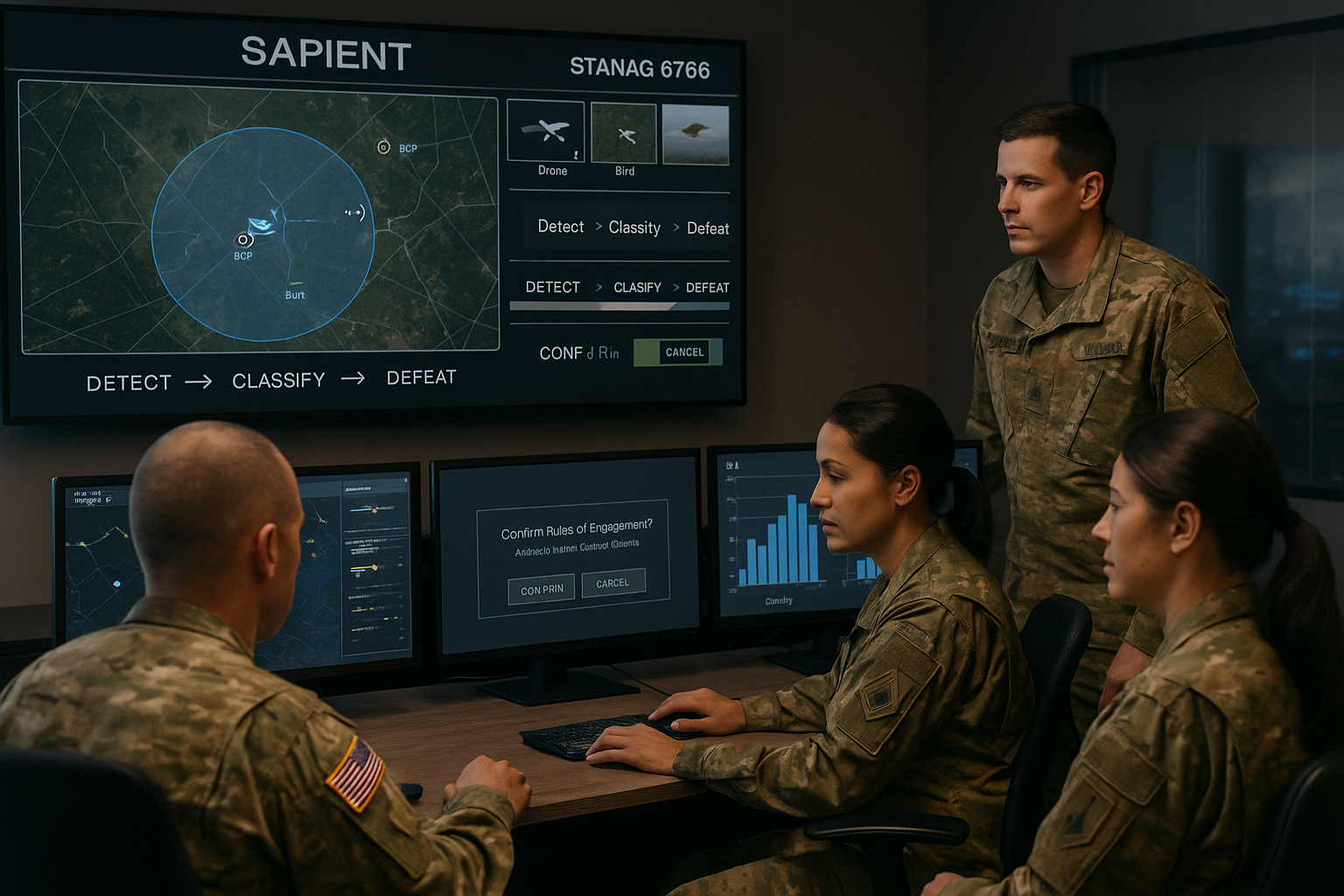
Counter-UAS at Scale: Multi-Sensor Fusion + AI Triage
Operators in a joint C-UAS cell review fused tracks and authorize a low-collateral effect.
October 14, 2025
Cyber Security
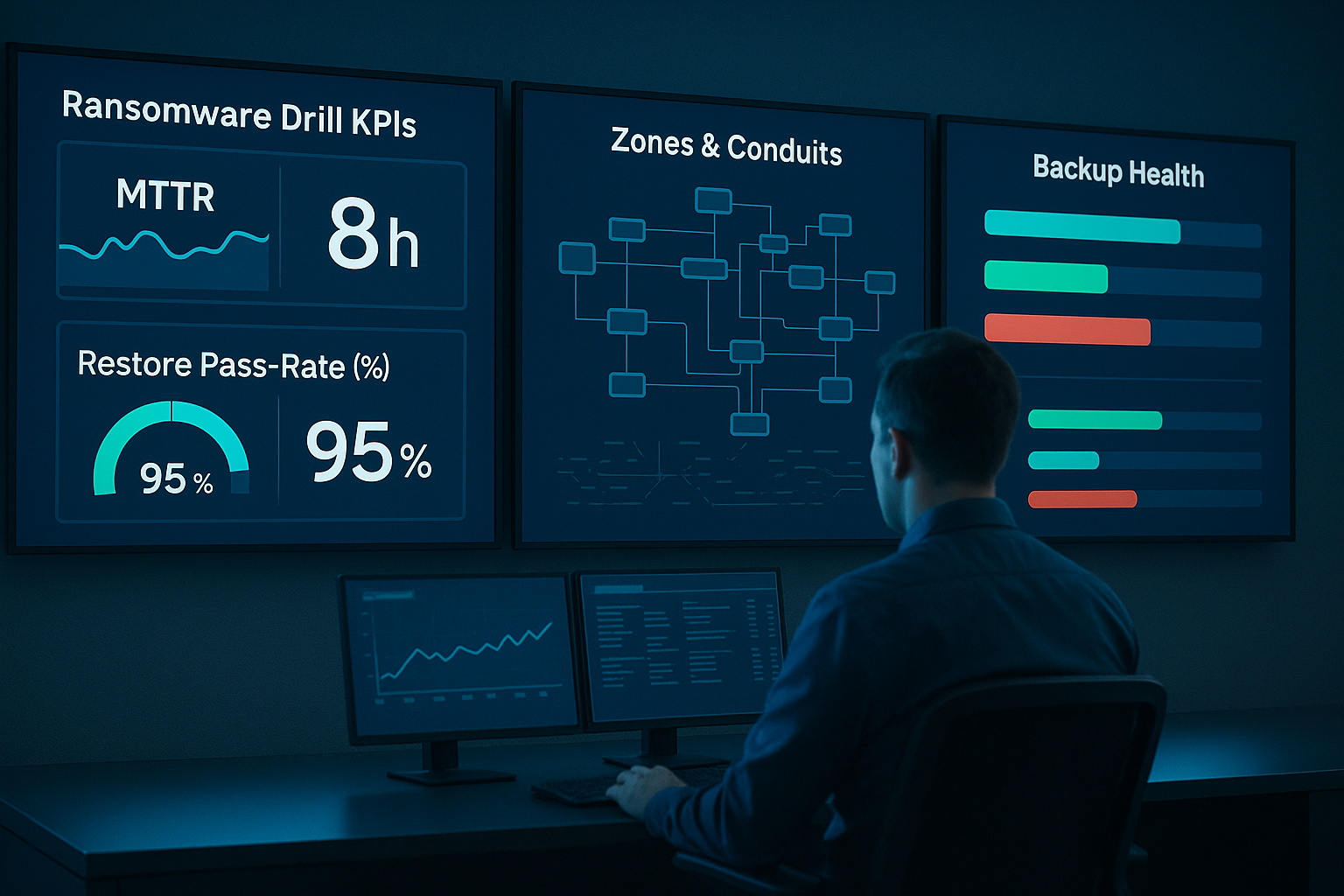
Stop OT Ransomware at the Gates
OT SOC with ransomware drill KPIs, segmentation map, and backup health.
July 22, 2025
Cyber Security
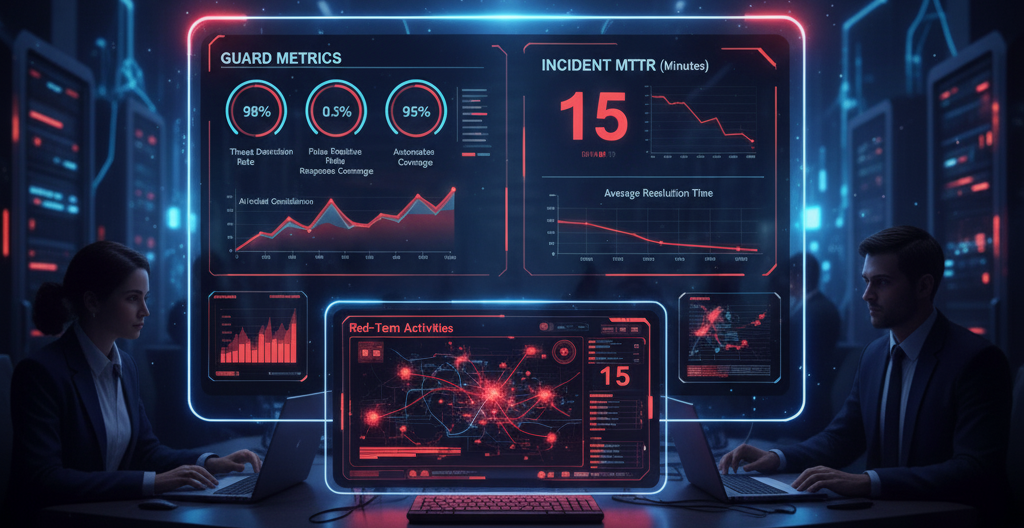
Stop Getting Pwned by Your Own Models
Security teams are discovering that LLMs expand the attack surface faster than they reduce toil.
June 19, 2025
Healthcare and Life Sciences
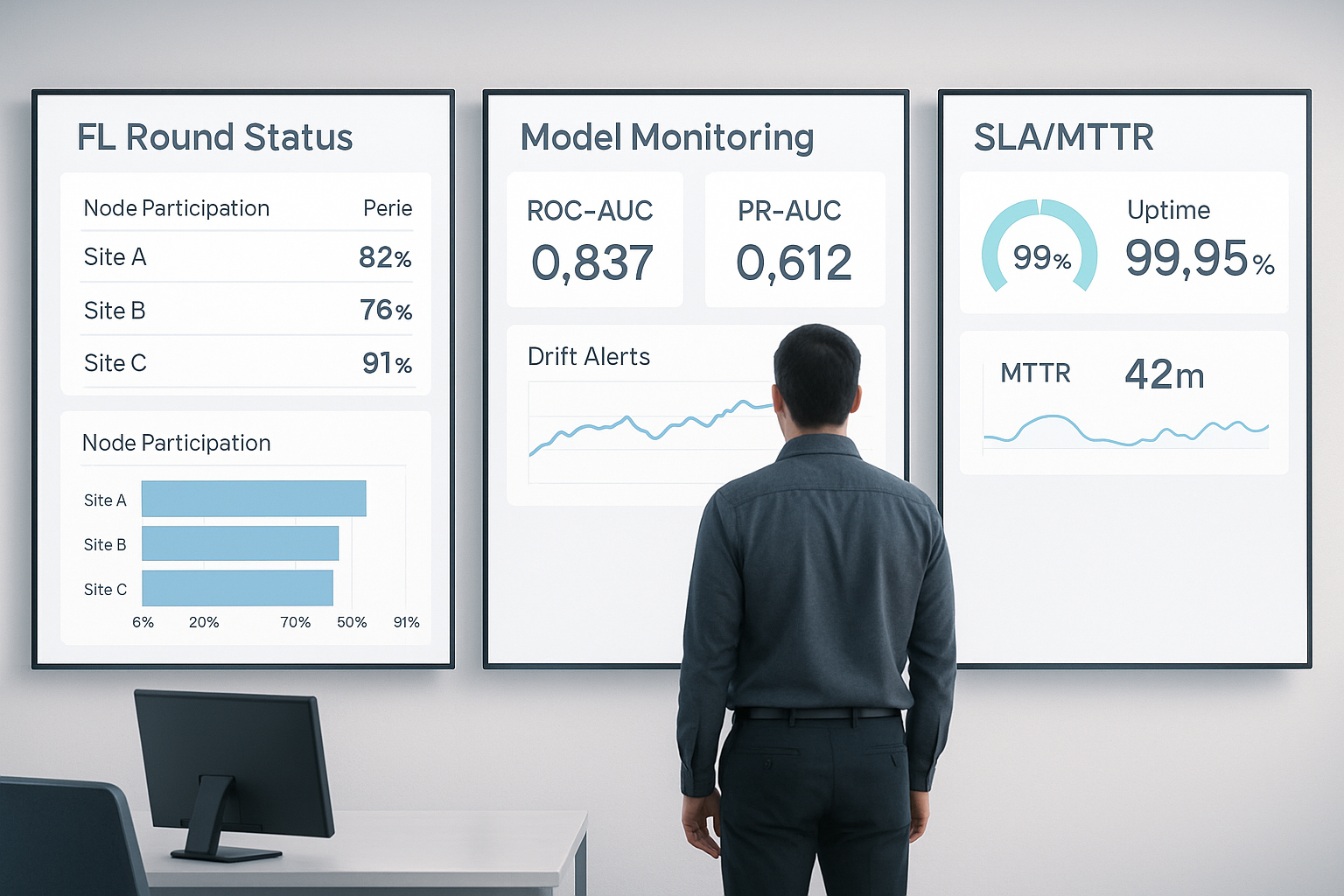
Federated Learning Across Health Jurisdictions
Federated learning enables cross-border AI collaboration without shipping raw data.
May 29, 2025